
How Heat and Dehydration Can Increase Workplace Injury Risks
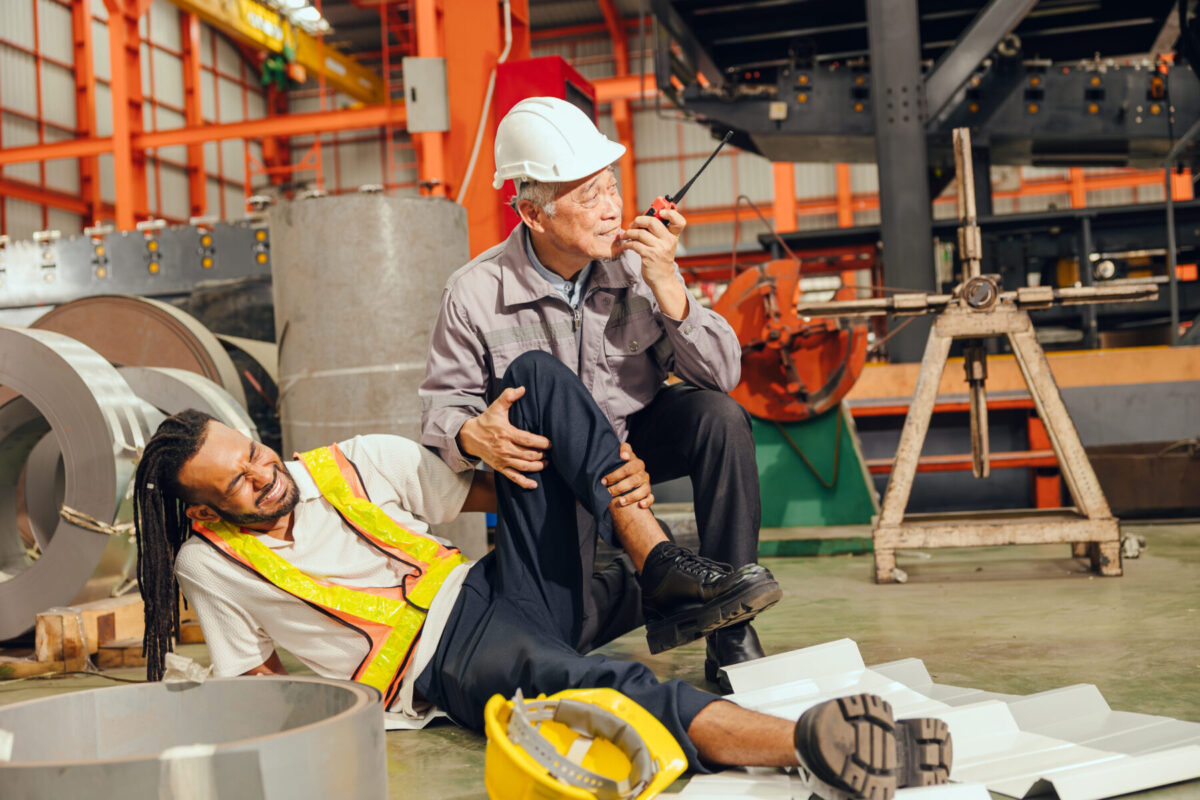
How Heat and Dehydration Can Increase Workplace Injury Risks
As temperatures rise during the summer months, many Ohio workers face more than just discomfort on the job. Heat and dehydration can significantly increase the risk of workplace injuries, especially for employees who work outdoors, in warehouses, manufacturing facilities, construction sites, or environments without adequate climate control.
While most people understand that extreme heat can cause heat exhaustion or heat stroke, fewer realize that dehydration and heat stress can also contribute to accidents, falls, lifting injuries, and other workplace incidents. At Xcell Medical Group, we treat a variety of work-related injuries and understand how environmental conditions can impact worker safety and recovery.
Why Heat Creates Workplace Hazards
When your body becomes overheated, it must work harder to regulate its internal temperature. This process can affect physical performance, concentration, reaction times, and decision-making abilities.
As temperatures climb, workers may experience:
- Fatigue
- Dizziness
- Muscle cramps
- Reduced alertness
- Slower reaction times
- Difficulty concentrating
These symptoms can increase the likelihood of workplace accidents, particularly in physically demanding jobs.
The Hidden Dangers of Dehydration
Dehydration occurs when the body loses more fluids than it takes in. During hot weather, workers can lose significant amounts of water through sweating, often without realizing how quickly dehydration is developing.
Even mild dehydration can affect performance.
Common symptoms include:
- Headaches
- Fatigue
- Dizziness
- Muscle cramps
- Dry mouth
- Reduced coordination
Research has shown that dehydration can impair focus and cognitive function, making it more difficult for workers to safely operate machinery, drive vehicles, or perform physically demanding tasks.
How Heat and Dehydration Increase Injury Risks
Increased Risk of Slips, Trips, and Falls
Fatigue, dizziness, and reduced concentration can make workers more prone to losing their balance or failing to notice hazards in their environment.
Falls remain one of the leading causes of workplace injuries across many industries.
More Lifting and Overexertion Injuries
When workers are dehydrated, muscles tire more quickly and become more susceptible to strains and sprains.
Common heat-related overexertion injuries include:
- Back strains
- Shoulder injuries
- Muscle pulls
- Neck injuries
- Joint injuries
Workers may also use improper lifting techniques when fatigue sets in, increasing the risk of injury.
Reduced Reaction Time
Operating machinery, driving vehicles, and performing repetitive tasks require focus and quick reactions. Heat stress can slow reaction times, making accidents more likely.
This can be especially dangerous in:
- Construction
- Manufacturing
- Transportation
- Warehousing
- Landscaping
Increased Risk of Heat-Related Illnesses
In severe cases, prolonged heat exposure can lead to:
Heat Exhaustion
Symptoms may include:
- Heavy sweating
- Weakness
- Nausea
- Dizziness
- Headaches
Heat Stroke
Heat stroke is a medical emergency and may cause:
- Confusion
- Loss of consciousness
- High body temperature
- Rapid pulse
Immediate medical attention is required if heat stroke is suspected.
Who Is Most at Risk?
Certain workers face higher risks during hot weather, including:
- Construction workers
- Road crews
- Roofers
- Landscapers
- Warehouse employees
- Factory workers
- Agricultural workers
- Delivery drivers
Even office workers can become dehydrated if they do not consume enough fluids throughout the day.
Tips to Reduce Workplace Injury Risks During Hot Weather
Employers and workers can take several steps to improve safety during the summer months:
Stay Hydrated
Drink water consistently throughout the day rather than waiting until you feel thirsty.
Take Scheduled Breaks
Rest periods allow the body to cool down and recover.
Wear Appropriate Clothing
Lightweight, breathable clothing can help regulate body temperature.
Monitor Symptoms
Pay attention to early signs of dehydration or heat illness.
Work Smarter During Peak Heat
When possible, schedule physically demanding tasks during cooler parts of the day.
What to Do If You’re Injured at Work
If you experience a workplace injury, it’s important to:
- Report the injury immediately.
- Seek medical evaluation.
- Follow treatment recommendations.
- Document your symptoms and recovery progress.
Prompt treatment can help prevent minor injuries from becoming chronic conditions.
Frequently Asked Questions
Can dehydration really increase injury risk?
Yes. Dehydration can affect concentration, coordination, muscle function, and reaction time.
What is the first sign of heat exhaustion?
Fatigue, dizziness, heavy sweating, and headaches are often among the earliest symptoms.
How much water should workers drink in hot weather?
Hydration needs vary, but workers should drink water consistently throughout the day, especially when sweating heavily.
Can heat make existing injuries worse?
Yes. Heat stress and dehydration can increase inflammation, muscle fatigue, and discomfort.
Should I seek medical treatment for a work-related injury?
Yes. Early evaluation and treatment can improve recovery and reduce the risk of long-term complications.
Stay Safe This Summer
Heat and dehydration are more than seasonal inconveniences—they can significantly increase the risk of workplace injuries and accidents. By staying hydrated, recognizing early warning signs, and seeking prompt medical care when injuries occur, workers can protect both their health and their safety.
At Xcell Medical Group, our team is committed to helping injured workers recover and return to their daily activities as safely and quickly as possible.