
What Happens to Your Body During a Rear-End Collision?
What Happens to Your Body During a Rear-End Collision?
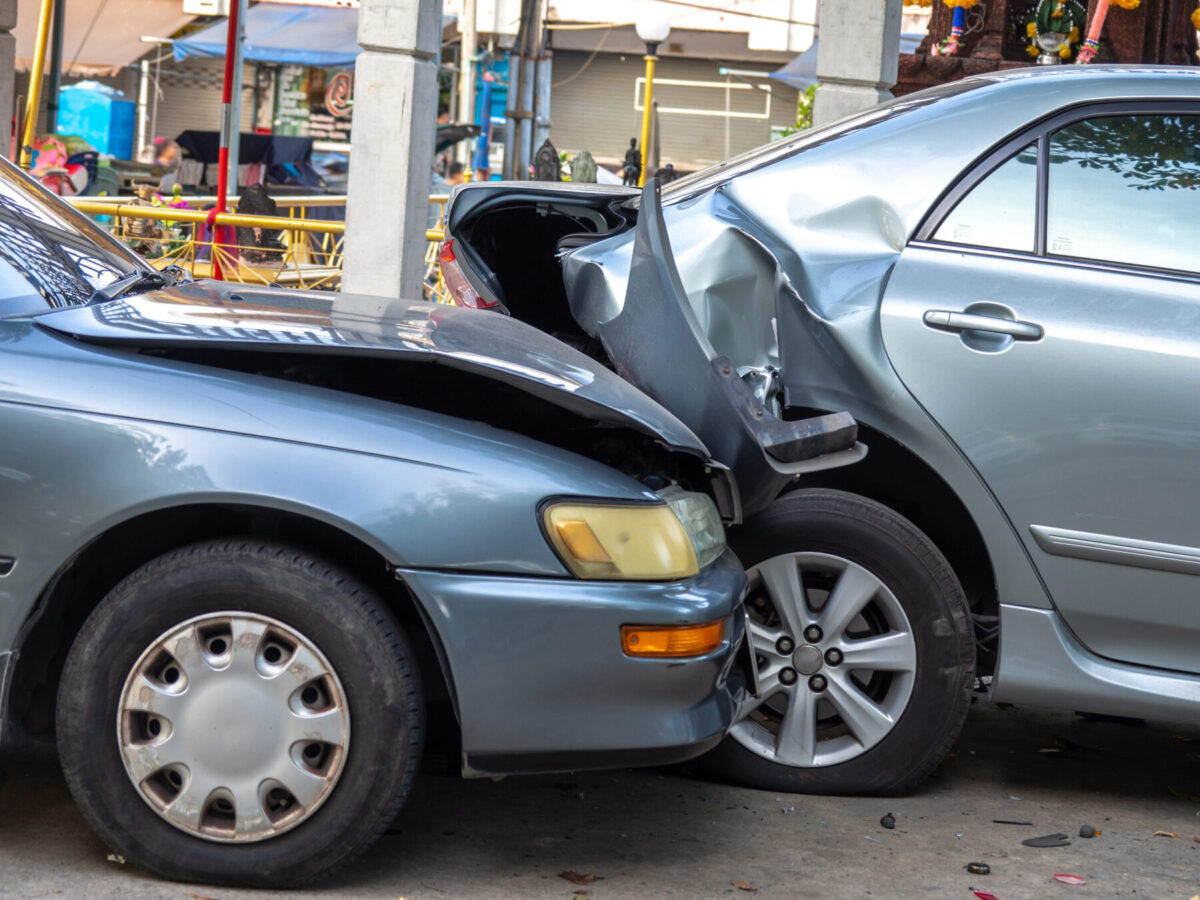
You’re stopped at a red light or slowing down in traffic when suddenly, BAM! Another vehicle hits you from behind. Even if your car has relatively little visible damage, your body may have absorbed more force than you realize.
Rear-end collisions are among the most common types of car accidents, and they can cause injuries ranging from muscle strains and whiplash to back injuries and nerve-related symptoms. Some symptoms may also take hours or days to become noticeable.
At Xcell Medical Group, we help people in Lorain County, Ohio, evaluate and recover from injuries after car accidents. Understanding what happens to your body during a rear-end crash can help you recognize symptoms that should not be ignored.
What Happens at the Moment of Impact?
When another vehicle strikes yours from behind, your car is suddenly pushed forward. Your body, restrained by the seat belt, moves with the vehicle, but your head and neck may not move at exactly the same speed.
This rapid acceleration and deceleration can cause the neck to move forcefully backward and then forward. The movement can strain muscles, ligaments, joints, and other structures in the neck and upper back.
The rest of your body may also experience significant forces during the collision. Your lower back, shoulders, hips, and knees can all be affected depending on your position, the speed and angle of impact, and other factors.
Why Is Whiplash Common After a Rear-End Accident?
Whiplash is one of the injuries most commonly associated with rear-end collisions. It occurs when sudden movement places stress on the structures of the neck.
Symptoms of whiplash may include:
- Neck pain and stiffness
- Reduced range of motion
- Headaches
- Shoulder or upper back pain
- Muscle tenderness
- Dizziness
- Fatigue
Whiplash symptoms do not always begin immediately. You might walk away from an accident feeling shaken but otherwise okay, then wake up the following morning with significant stiffness or discomfort.
What Happens to Your Back During a Rear-End Collision?
Your neck is not the only area that can be injured.
The sudden force of a rear-end impact can place stress on the thoracic and lumbar spine, including the muscles, joints, ligaments, and spinal discs.
Following a crash, you may experience lower back pain, muscle spasms, stiffness, or difficulty bending and twisting. In some cases, trauma can contribute to or aggravate a disc injury.
A herniated or irritated disc may also affect nearby nerves, potentially causing pain that travels into an arm or leg, numbness, tingling, burning sensations, or weakness.
Can Your Shoulders and Arms Be Injured?
Yes. Your shoulders may experience sudden movement during impact, while your seat belt restrains part of your upper body.
Muscles and other soft tissues around the shoulders can become strained. Some people experience shoulder pain, tenderness, stiffness, or difficulty raising an arm after an accident.
Pain that extends from the neck into the shoulder, arm, or hand may also be associated with irritation of nerves in the cervical spine.
What About Your Hips and Knees?
Lower-body injuries are also possible in a rear-end collision.
Depending on your seating position and the circumstances of the crash, your knees may strike the dashboard or other parts of the vehicle. Sudden force can also place stress on the hips and surrounding muscles.
After an accident, pay attention to pain, swelling, bruising, stiffness, or difficulty walking. Symptoms that seem minor at first may become more noticeable as inflammation develops.
Why Can Pain Be Delayed After a Rear-End Collision?
One of the biggest misconceptions about car accident injuries is that you will immediately know if something is wrong.
After a crash, your body activates its stress response and releases hormones such as adrenaline. This response can temporarily reduce your awareness of pain. As the initial stress subsides and inflammation develops, symptoms may become more noticeable.
You could feel relatively normal at the accident scene and experience neck pain, back pain, headaches, stiffness, or soreness later that day or even in the days that follow.
That is why it is important to monitor how you feel after a collision rather than assuming that being pain-free immediately means you were not injured.
Does Minor Vehicle Damage Mean You Aren’t Injured?
Not necessarily.
The amount of visible damage to a vehicle does not provide a complete picture of what happened to the occupants inside. Many factors affect how forces are transferred during a collision, including vehicle design, seating position, head restraint position, use of a seat belt, and the direction of impact.
If you develop symptoms after a rear-end accident, do not dismiss them simply because the crash seemed minor.
When Should You Get Checked After a Rear-End Accident?
Consider seeking an evaluation if you experience persistent or worsening symptoms such as:
- Neck or back pain
- Headaches
- Shoulder pain
- Muscle spasms
- Limited range of motion
- Numbness or tingling
- Pain traveling into your arms or legs
- Weakness
- Difficulty performing normal daily activities
Certain symptoms after a crash can require urgent medical attention. Seek emergency care for severe or rapidly worsening symptoms, loss of consciousness, confusion, significant weakness, difficulty walking, loss of bladder or bowel control, or other concerning neurological changes.
Car Accident Injury Care in Lorain County, Ohio
You do not have to be involved in a high-speed crash to experience pain or musculoskeletal injuries. A rear-end collision can affect multiple areas of the body, and symptoms may not always be obvious immediately after the accident.
At Xcell Medical Group, we provide evaluation and personalized care for people injured in car accidents throughout Lorain County, Ohio. Depending on your injury and individual needs, care may include chiropractic treatment, physical rehab, therapeutic exercise, and other treatment options designed to improve mobility and function.
If you are experiencing neck pain, back pain, stiffness, headaches, numbness, tingling, or other symptoms after a rear-end collision, getting evaluated can help identify the source of your discomfort and determine an appropriate treatment plan.
Were you recently rear-ended in Lorain County? Contact Xcell Medical Group to schedule an evaluation and take the next step toward recovery.