
What Is Causing My Knee Pain? Symptoms & Treatment
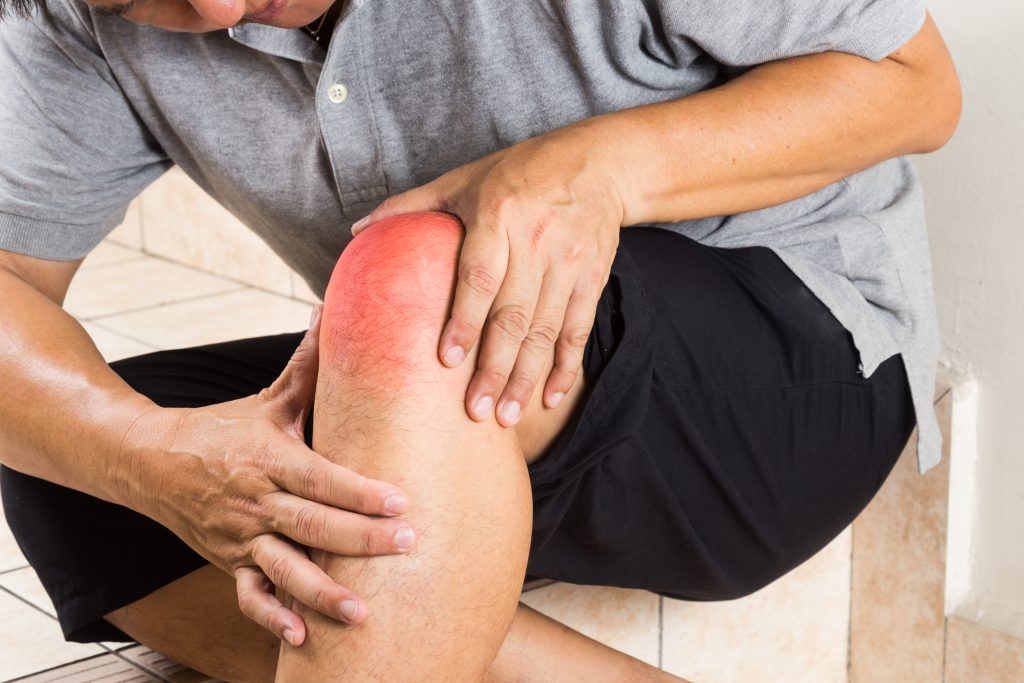
What Is Causing My Knee Pain? Common Causes, Symptoms & Treatment
Knee pain can make everyday activities like walking, climbing stairs, standing, exercising, or getting out of a chair uncomfortable. But what causes knee pain, and how do you know when it’s time to have it evaluated?
The knee is one of the body’s largest and most complex joints. It also handles significant forces during standing and movement, making it vulnerable to injuries, wear and tear, inflammation, and other conditions.
At Xcell Medical Group, we evaluate and treat patients experiencing knee pain in Elyria, Ohio. Because knee pain can have many possible causes, determining what’s behind your symptoms is an important first step toward finding the appropriate treatment.
Here are some common conditions that may cause knee pain.
1. Knee Osteoarthritis
Osteoarthritis is a degenerative joint condition that occurs as cartilage within a joint changes and breaks down over time. The knee is commonly affected because it is a major weight-bearing joint.
Knee osteoarthritis doesn’t always cause constant pain. Symptoms may develop gradually and can become more noticeable over time.
What does knee osteoarthritis feel like?
Common symptoms can include:
- Knee pain that gradually becomes more frequent
- Pain during or after walking or other activity
- Stiffness after sitting or resting
- Reduced range of motion
- Swelling around the knee
- Tenderness
- Grinding, clicking, or popping sensations
- Difficulty climbing stairs or standing from a chair
- A feeling that the knee is weak or unstable
Some people experience symptoms in one knee, while others may develop osteoarthritis in both.
If knee stiffness and pain are beginning to interfere with your daily activities, an evaluation can help determine whether osteoarthritis or another condition may be contributing to your symptoms.
2. Knee Bursitis
Small fluid-filled sacs called bursae help cushion areas around your knee and reduce friction between tissues.
Knee bursitis occurs when one of these bursae becomes irritated or inflamed. It may develop following repetitive pressure, overuse, injury, or certain medical conditions.
What are the symptoms of knee bursitis?
Depending on which bursa is affected, symptoms may include:
- Localized swelling
- Tenderness around the knee
- Pain when moving or placing pressure on the knee
- Warmth around the affected area
- Reduced or uncomfortable knee movement
Redness, significant warmth, fever, or feeling generally ill can sometimes indicate an infection and should be evaluated promptly by a medical professional.
3. Knee Injuries
You don’t have to be an athlete to injure your knee.
A knee injury can happen during a car accident, workplace accident, fall, exercise, recreational activity, or even an awkward twisting movement.
The knee contains bones, cartilage, ligaments, tendons, and other structures that work together to provide stability and movement. An injury to any of these structures may cause pain.
Common knee injuries include:
ACL injuries: The anterior cruciate ligament, or ACL, helps stabilize the knee. Sudden twisting, changes in direction, or traumatic forces can injure or tear this ligament.
Meniscus injuries: The menisci are pieces of cartilage that help cushion and stabilize the knee. A twisting movement or traumatic injury may damage a meniscus.
Patellar tendon injuries: The patellar tendon connects the kneecap to the shinbone and plays an important role in straightening the knee.
Patellofemoral pain: Pain around or behind the kneecap can develop for several reasons, including overuse and problems involving movement or alignment.
Sprains and strains: Muscles, tendons, and ligaments surrounding the knee can become overstretched or injured during accidents, sports, work, or everyday activities.
4. Rheumatoid Arthritis and Knee Pain
Not all arthritis is caused by wear and tear.
Rheumatoid arthritis is an autoimmune disease that can cause inflammation in multiple joints, including the knees. Unlike osteoarthritis, rheumatoid arthritis involves the immune system and often affects joints on both sides of the body.
Possible symptoms include:
- Pain in both knees
- Joint swelling
- Warmth around affected joints
- Prolonged morning stiffness
- Reduced joint movement
- Fatigue
- Other joints that are painful or swollen
Because rheumatoid arthritis is a systemic autoimmune condition, people who suspect they may have it should seek appropriate medical evaluation and management.
5. Knee Pain After a Car Accident
Knee injuries are sometimes overlooked after a motor vehicle collision, particularly when neck or back pain initially feels more significant.
During a crash, your knee may strike the dashboard, console, steering column, or another part of the vehicle. The knee can also experience sudden twisting, compression, or other forces during impact.
Knee pain after a car accident may be associated with injuries involving ligaments, tendons, cartilage, muscles, or the joint itself.
Symptoms to watch for after an accident include:
- Knee pain or tenderness
- Swelling
- Bruising
- Difficulty walking
- Pain when bending or straightening the knee
- Reduced range of motion
- Clicking, popping, or catching
- A knee that feels unstable
Some injuries may not be immediately obvious after a collision. If you’re experiencing persistent or worsening knee pain following a car accident in Lorain County, consider having the injury evaluated.
6. Knee Pain From a Work-Related Injury
Workplace knee injuries can happen suddenly or develop gradually.
Jobs involving lifting, climbing, kneeling, squatting, repetitive movement, prolonged standing, or physical labor may place considerable stress on the knees.
A slip, fall, lifting accident, or other workplace incident may also result in an acute knee injury.
If your knee symptoms began following an accident at work or have developed because of repetitive job duties, determining the cause of your pain can help guide an appropriate treatment and rehabilitation plan.
When Should You See a Doctor for Knee Pain?
Minor knee soreness may sometimes improve with activity modification and conservative self-care. However, persistent or worsening knee pain should not simply be ignored.
Consider having your knee evaluated if:
- Pain continues or keeps returning
- Swelling doesn’t improve
- Your knee feels unstable or gives way
- You have difficulty walking
- You can’t comfortably bend or straighten your knee
- Pain interferes with sleep, work, or everyday activities
- Symptoms began after a car accident or workplace injury
- Your knee frequently locks, catches, or becomes stiff
Seek prompt medical attention for severe pain following an injury, significant deformity or swelling, inability to bear weight, signs of infection, or other concerning symptoms.
How Is Knee Pain Diagnosed?
Because several conditions can produce similar symptoms, the location of your knee pain alone doesn’t necessarily identify its cause.
At Xcell Medical Group, an evaluation may include a discussion of your symptoms and medical history along with an examination of the affected knee.
Depending on your condition, your provider may evaluate:
- Knee range of motion
- Joint stability
- Strength
- Flexibility
- Swelling and tenderness
- Movement patterns
- Orthopedic findings
- Other areas that could be contributing to your symptoms
When medically appropriate, in-office X-rays may provide additional information about the knee joint and surrounding structures.
Knee Pain Treatment in Elyria, Ohio
The appropriate treatment for knee pain depends on what is causing the pain, how severe your symptoms are, your overall health, and how the condition affects your mobility and everyday life.
At Xcell Medical Group, we don’t believe knee pain should be approached with a one-size-fits-all treatment plan.
Our providers take an integrated approach to musculoskeletal care, focusing on the underlying condition and helping patients improve movement and function whenever possible.
Depending on your diagnosis and individual needs, your treatment plan may incorporate conservative care, chiropractic treatment, physical rehabilitation, therapeutic exercise, and other services available through Xcell Medical Group.
Our goal is to help you move more comfortably, improve function, and support your recovery with an individualized plan of care.
Frequently Asked Questions About Knee Pain
What is the most common cause of knee pain?
There isn’t one cause of knee pain for everyone. Osteoarthritis, overuse, sprains and strains, tendon problems, meniscus injuries, ligament injuries, bursitis, and trauma can all contribute to knee pain.
Why does my knee hurt when I walk?
Knee pain while walking can have many possible causes, including osteoarthritis, inflammation, tendon or ligament problems, cartilage injuries, or other musculoskeletal conditions. An examination can help identify the source of persistent pain.
Why does my knee hurt when I go up or down stairs?
Stairs place additional demands on the knee joint and surrounding muscles. Pain during stair climbing may be associated with several conditions, including patellofemoral pain and osteoarthritis. Persistent symptoms should be evaluated rather than diagnosed based on this symptom alone.
Why is my knee stiff after sitting?
Knee stiffness after inactivity can occur with several joint conditions, including osteoarthritis. If stiffness happens frequently or is accompanied by pain, swelling, or reduced movement, consider scheduling an evaluation.
Can a car accident cause knee pain?
Yes. Knees can be injured by direct impact or by twisting, compression, or other forces during a collision. Ligaments, cartilage, tendons, muscles, and other structures may be affected.
Can knee pain come from a work injury?
Yes. Knee pain can result from an acute workplace accident or develop gradually from repetitive activities such as kneeling, squatting, climbing, lifting, or prolonged standing.
Can a chiropractor help with knee pain?
Chiropractors can evaluate and provide conservative care for certain musculoskeletal conditions affecting the knee and surrounding structures. Whether chiropractic care is appropriate depends on the cause of your knee pain, which is why an evaluation is important before recommending treatment.
Do I need an X-ray for knee pain?
Not everyone with knee pain needs an X-ray. Your healthcare provider can determine whether diagnostic imaging is appropriate based on your symptoms, medical history, physical examination, and suspected condition.
Don’t Let Knee Pain Limit Your Life
Whether your knee pain developed gradually or started after a car accident, workplace injury, fall, or other incident, understanding what’s causing your symptoms is the first step toward determining what to do next.
Xcell Medical Group provides knee pain evaluations and musculoskeletal care for patients in Elyria, OH and throughout Lorain County.
If knee pain is making it difficult to walk, work, exercise, climb stairs, or enjoy your normal activities, contact Xcell Medical Group to schedule an evaluation and learn more about your treatment options.